NNN Tenant Profile · Industrial / Logistics
Amazon
Last Mile Facilities
AA-rated credit with 2% annual rent growth, from a buyer’s broker with 4 Amazon last-mile closings totaling $189.1M+.
AA-rated credit with 2% annual rent growth, from a buyer’s broker with 4 Amazon last-mile closings totaling $189.1M+.
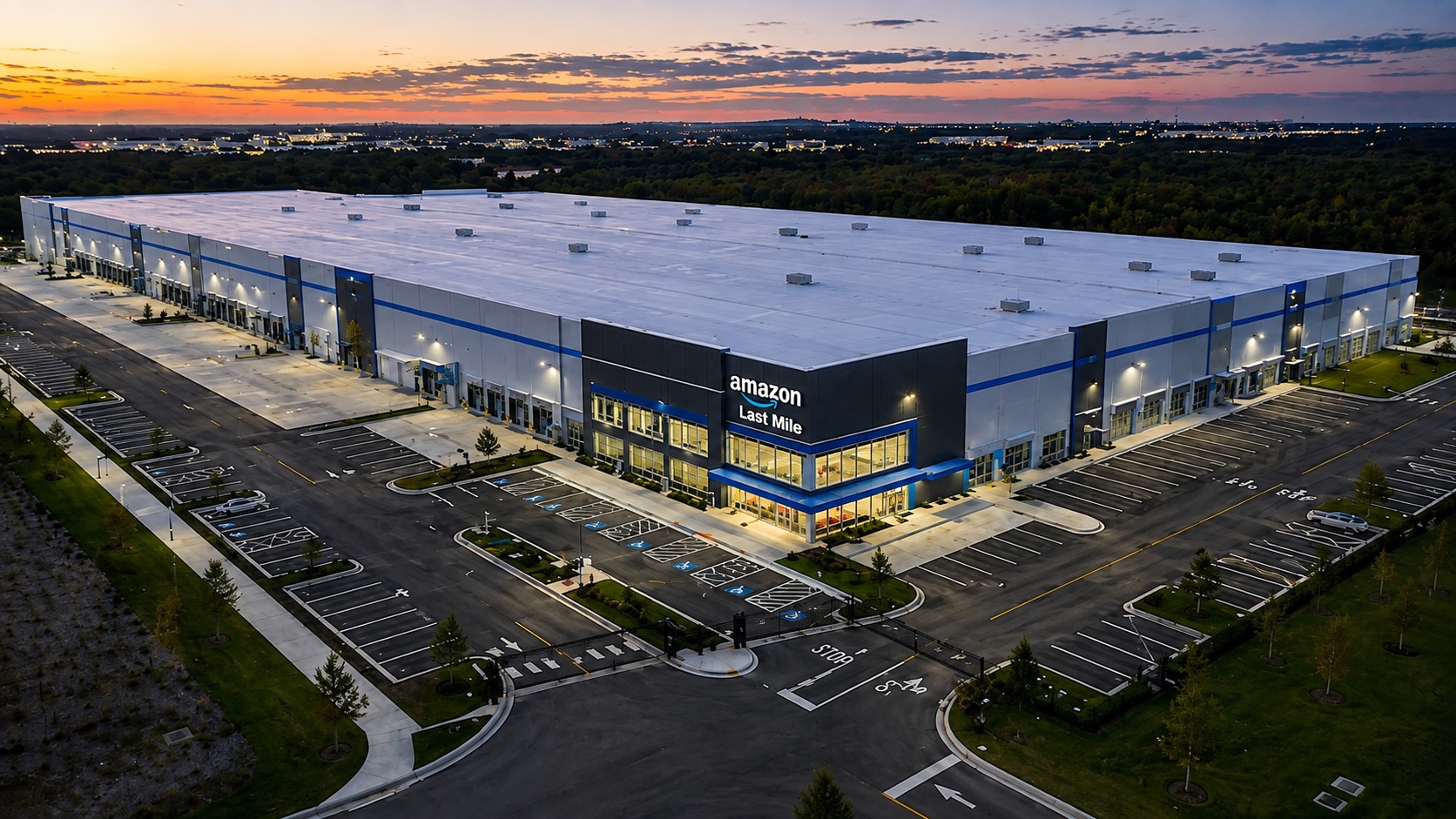
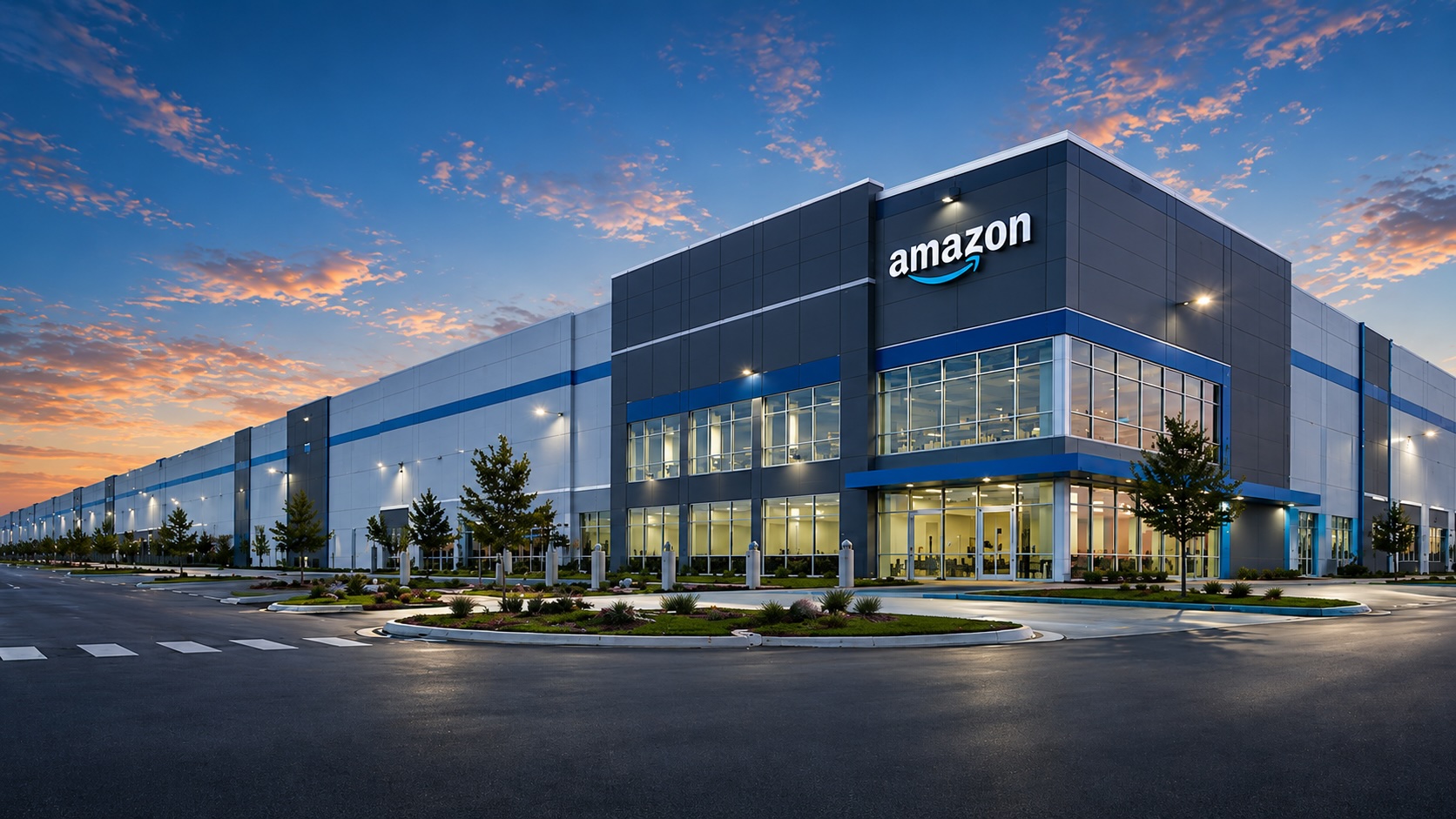
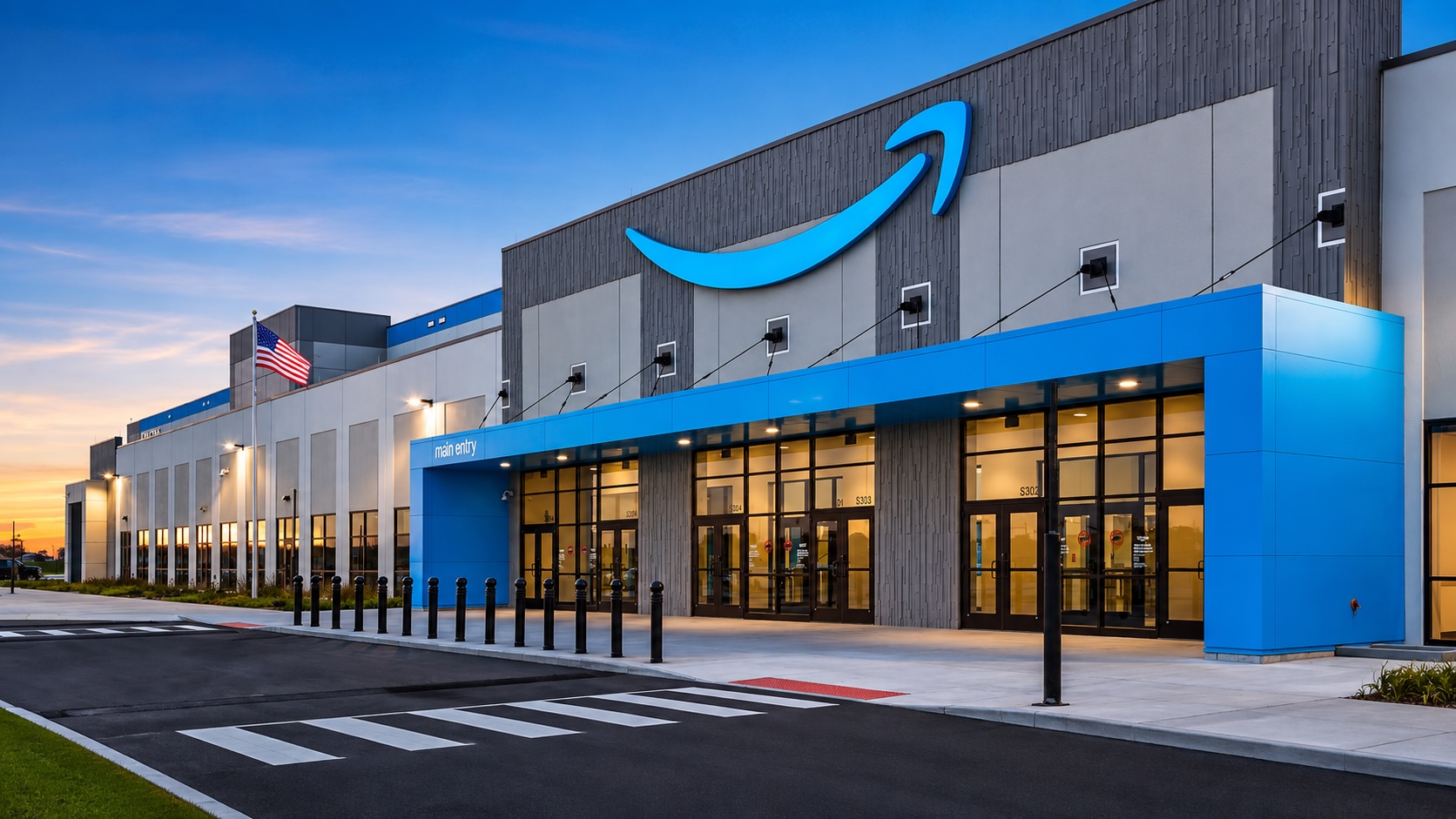
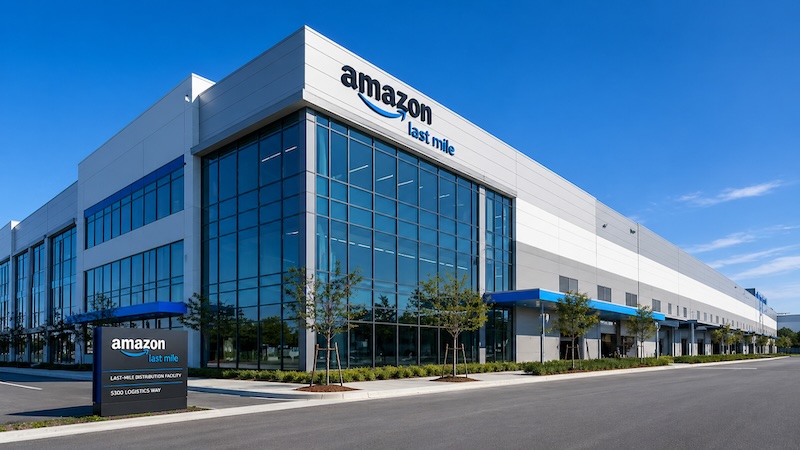
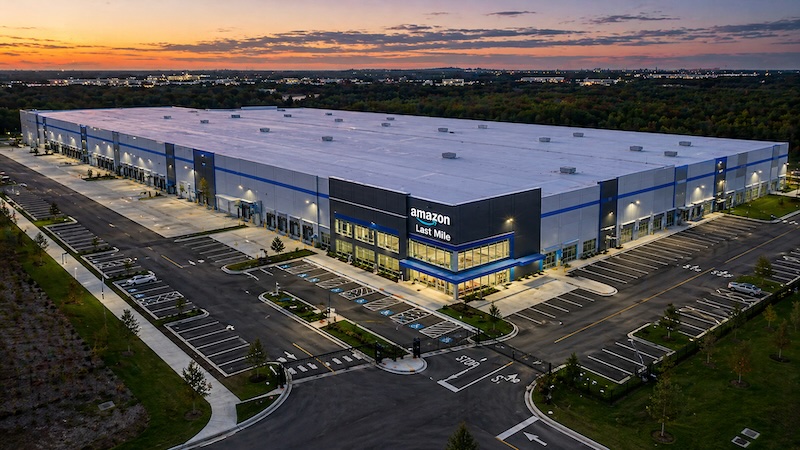
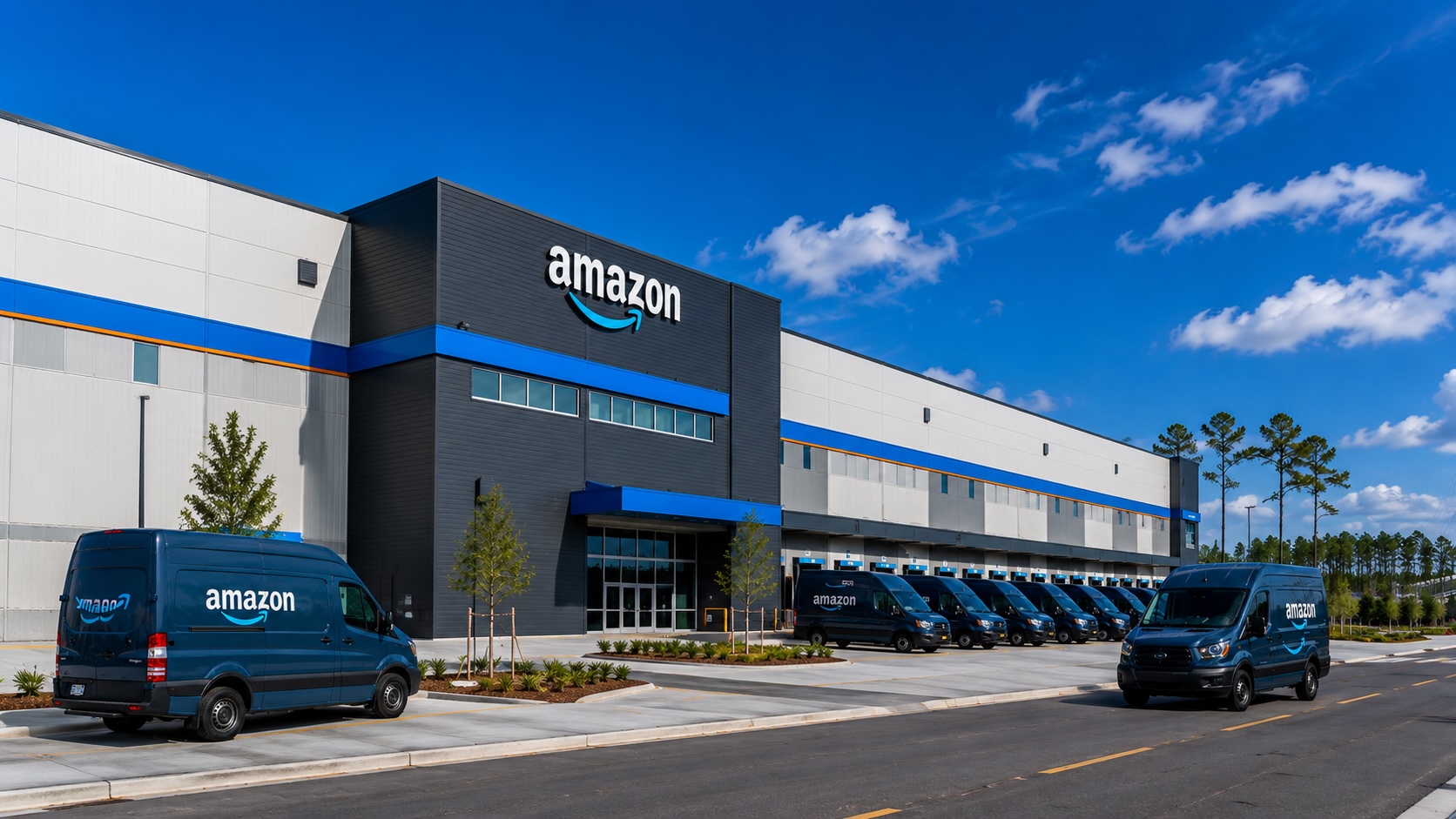
An Amazon last-mile property is a delivery station, typically 80,000 to 150,000 square feet on 20 to 40 acres with large van and employee parking, where packages are sorted for final delivery to customers’ doors, and the type of Amazon facility most private investors buy. New leases typically run 12 to 15 years with 2% annual rent increases and are usually NN, with the landlord keeping the roof and structure. The tenant is typically an Amazon operating subsidiary, often guaranteed by Amazon.com, Inc., which is rated AA by S&P and A1 by Moody’s, among the strongest credits in all of net lease. With price points from about $10 million to $75 million+, Amazon facilities suit large 1031 exchanges and investors who want top-tier credit with built-in annual growth.
Solid Investments FL has represented buyers on 4 Amazon last-mile transactions totaling $189.1M+ in Illinois, California, Georgia and Iowa, all brand-new 12- to 15-year leases. See them in our track record. Our buyer representation is always free to you.
| Tenant | An Amazon operating subsidiary (often Amazon.com Services LLC), commonly guaranteed by Amazon.com, Inc.; confirm the tenant and guaranty on each lease |
|---|---|
| Parent company | Amazon.com, Inc. (Nasdaq: AMZN), Seattle, Washington |
| Credit rating | S&P AA / Moody’s A1 / Fitch AA- |
| Facility type | Last-mile delivery stations, typically 80,000–150,000 SF on 20–40 acres |
| Typical lease term | 12–15 years on new facilities |
| Lease type | Mostly NN (landlord typically covers roof and structure); confirm parking and other obligations |
| Rent increases | Typically 2% annually |
| Renewal options | Multiple 5-year options |
| Typical cap rate (2026) | ~5.0%–6.0% |
| Typical price range | About $10M–$75M+ |
Credit ratings as of October 2026. Cap rates and pricing reflect current market conditions and vary by deal.
Amazon leases are signed by operating subsidiaries. Confirm exactly which entity is the tenant and whether Amazon.com, Inc. guarantees the lease; the AA rating only applies if the parent stands behind it.
Most last-mile leases are NN, so the landlord typically owns the roof and structure of a very large building. Review roof warranties, construction quality and reserves, and confirm who maintains the extensive parking areas.
Amazon adjusts its logistics network as demand changes; after overbuilding in 2021 and 2022, it subleased or delayed some facilities. Underwrite the facility’s location and role, not just the credit.
2% annual increases compound to about 10.4% every five years, slightly better than the 10%-every-five-years structure common in retail NNN, with growth starting in year two.
Large acreage, heavy parking and close-to-population locations make last-mile sites attractive to other logistics users, which supports long-term value of the real estate.
New 12- to 15-year leases offer long, predictable income. As term burns down, pricing becomes more sensitive to renewal risk and the facility’s importance to Amazon.
Amazon operates a network of very different buildings, from million-square-foot fulfillment centers to neighborhood delivery stations. Each plays a different role in getting a package from a supplier to a customer’s door, and each is a very different investment. Here’s how they compare:
The giants. Associates and robots pick, pack and ship customer orders; some handle everyday items, others bulky goods like furniture. Price points typically run well over $100 million, so most are bought by REITs, institutions and DST sponsors.
Large buildings, often near ports or rail, that receive bulk inventory from suppliers and distribute it to fulfillment centers. Like fulfillment centers, they are mostly institutional-size investments.
Sort packages by final destination and consolidate them onto trucks, bridging fulfillment centers and the delivery network. Size and pricing vary widely by market.
The final step: packages are sorted by route and loaded into delivery vans. Located in and around metro areas with large van and employee parking. At $10 million to $75 million+, these are the sweet spot for private investors and larger 1031 exchanges, and the focus of this page.
Amazon also occupies retail space through Whole Foods Market, which it owns, and its own grocery stores. These are retail-style net lease investments with different economics than logistics buildings.
Fulfillment and cross-dock centers offer scale but rarely fit a single investor’s 1031 exchange. Delivery stations combine Amazon credit, 2% annual increases and achievable price points. We can help you find the right fit.
Square footages are typical ranges based on Amazon’s own descriptions of its facilities; individual buildings vary.
Amazon last-mile facilities are typically bought fee simple, so you own a large building and extensive site improvements, and they are depreciable. The building is depreciated over 39 years, and a cost segregation study can separate out parts of the property that can be written off much faster. With acres of van and employee parking, last-mile sites often have significant site improvements, and under current law that reclassified portion qualifies for 100% first-year (bonus) depreciation.
An Amazon last-mile facility often carries tens of millions of dollars of depreciable building and site improvements, working for you every year you own it.
Van and employee parking, paving, site lighting, fencing, landscaping and certain building systems and fixtures typically qualify as 5-, 7- or 15-year property instead of 39-year building.
On a property of this size, a cost segregation study is a small cost relative to the potential benefit. Your CPA can estimate the first-year deduction before you commit.
1031 exchange buyers: how much of your basis is eligible depends on how your exchange is structured. Depreciation recapture applies when you sell, passive-activity rules can limit who benefits, and state conformity varies. This is general information, not tax advice — confirm with your CPA and a cost segregation specialist before you buy.
We’ve helped buyers close 4 brand-new Amazon last-mile facilities totaling $189.1M+:
 Industrial / Logistics
 Industrial / Logistics
 Industrial / Logistics
 Industrial / Logistics
Solid Investments FL is a NNN buyer's brokerage based in Lakewood Ranch (Sarasota), FL, that has represented buyers on 4 Amazon last-mile transactions totaling $189.1M+ in Illinois, California, Georgia and Iowa. We help investors and 1031 exchange buyers underwrite and close Amazon facilities nationwide, and our buyer representation is free.
As of 2026, new Amazon last-mile facilities with 12- to 15-year leases and 2% annual increases generally trade around 5.0% to 6.0%, depending on location, lease term, lease structure and the facility's role in Amazon's network.
As of October 2026, Amazon.com, Inc. is rated AA by S&P, A1 by Moody's and AA- by Fitch, among the strongest credit ratings of any net lease tenant.
Amazon operates fulfillment centers (typically 600,000 to 1,000,000+ square feet), receive and inbound cross-dock centers, sortation centers, last-mile delivery stations (typically 80,000 to 150,000 square feet on 20 to 40 acres) and retail space through Whole Foods Market. Fulfillment and cross-dock centers often cost well over $100 million and are mostly bought by institutions, while delivery stations, at about $10 million to $75 million-plus, are the most common Amazon investment for private buyers and 1031 exchanges.
Amazon leases are typically signed by an Amazon operating subsidiary, such as Amazon.com Services LLC, and are often guaranteed by Amazon.com, Inc. Because the parent's rating only applies if it guarantees the lease, confirm the tenant and guaranty in the lease documents.
Most are NN. Amazon pays real estate taxes, insurance and most maintenance, while the landlord typically keeps responsibility for the roof and structure. Confirm parking-lot and other obligations in each lease.
Amazon last-mile leases typically include 2% annual rent increases, which compound to about 10.4% every five years and start in year two, slightly better than the 10%-every-five-years structure common in retail NNN leases.
For large exchanges, often yes. Amazon offers AA-rated credit, long leases and built-in annual rent growth, and a single facility can absorb a $10 million to $75 million-plus exchange. The trade-off is NN landlord responsibilities on a very large building.
Yes. Amazon last-mile facilities are typically bought fee simple, so the building is depreciated over 39 years, and a cost segregation study can reclassify parking, paving, lighting and other items into 5-, 7- and 15-year property, which qualifies for 100% first-year (bonus) depreciation under current law. Confirm with your CPA.
General information only, not investment, tax or legal advice. Credit ratings and market data change; verify current figures before investing.
We’ve closed $189.1M+ of Amazon last-mile facilities. Tell us your exchange size and timeline; our buyer representation is completely free.
📞 954-296-6955 | 11015 Gatewood Dr Suite 102, Lakewood Ranch, FL 34211