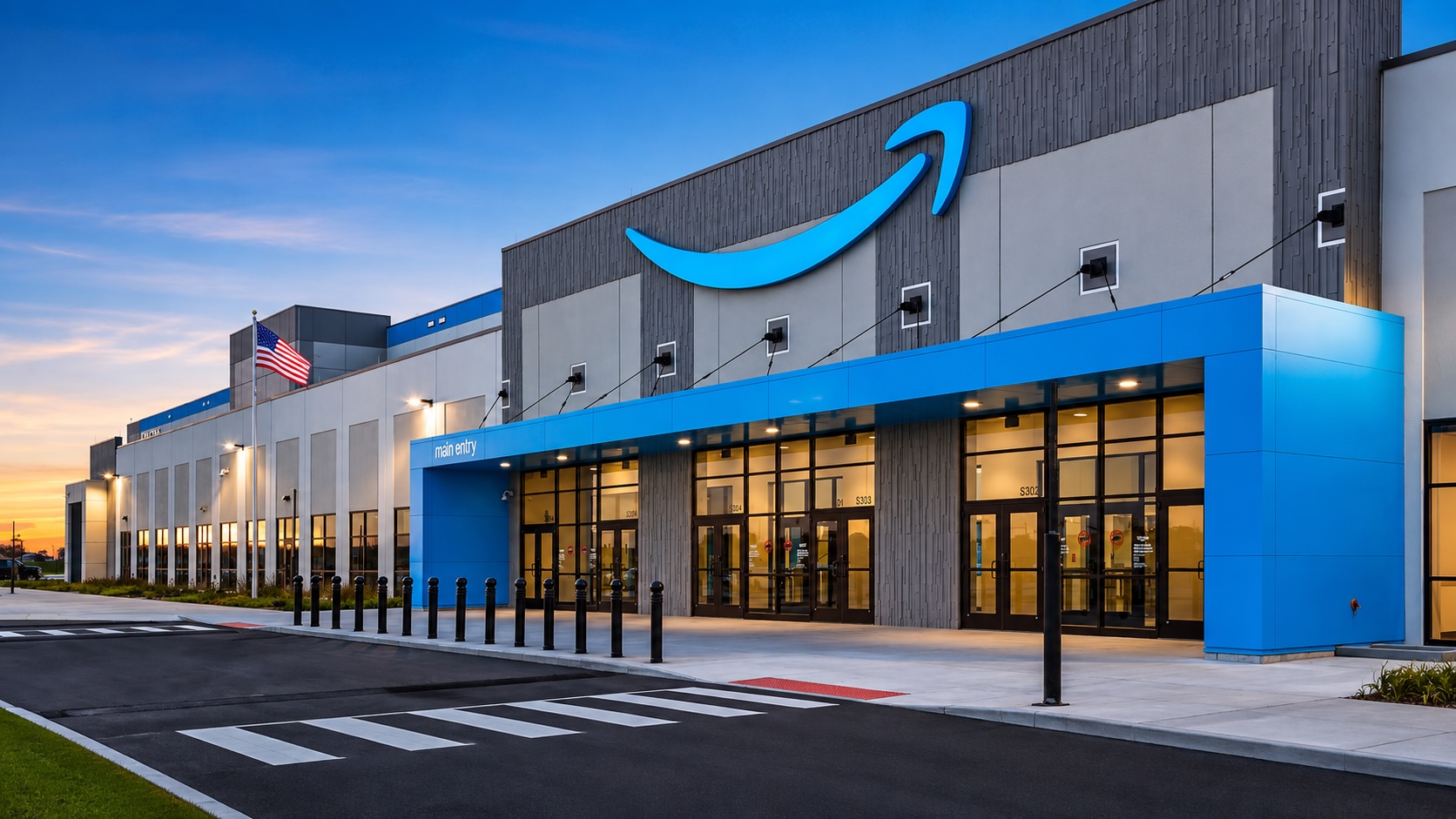
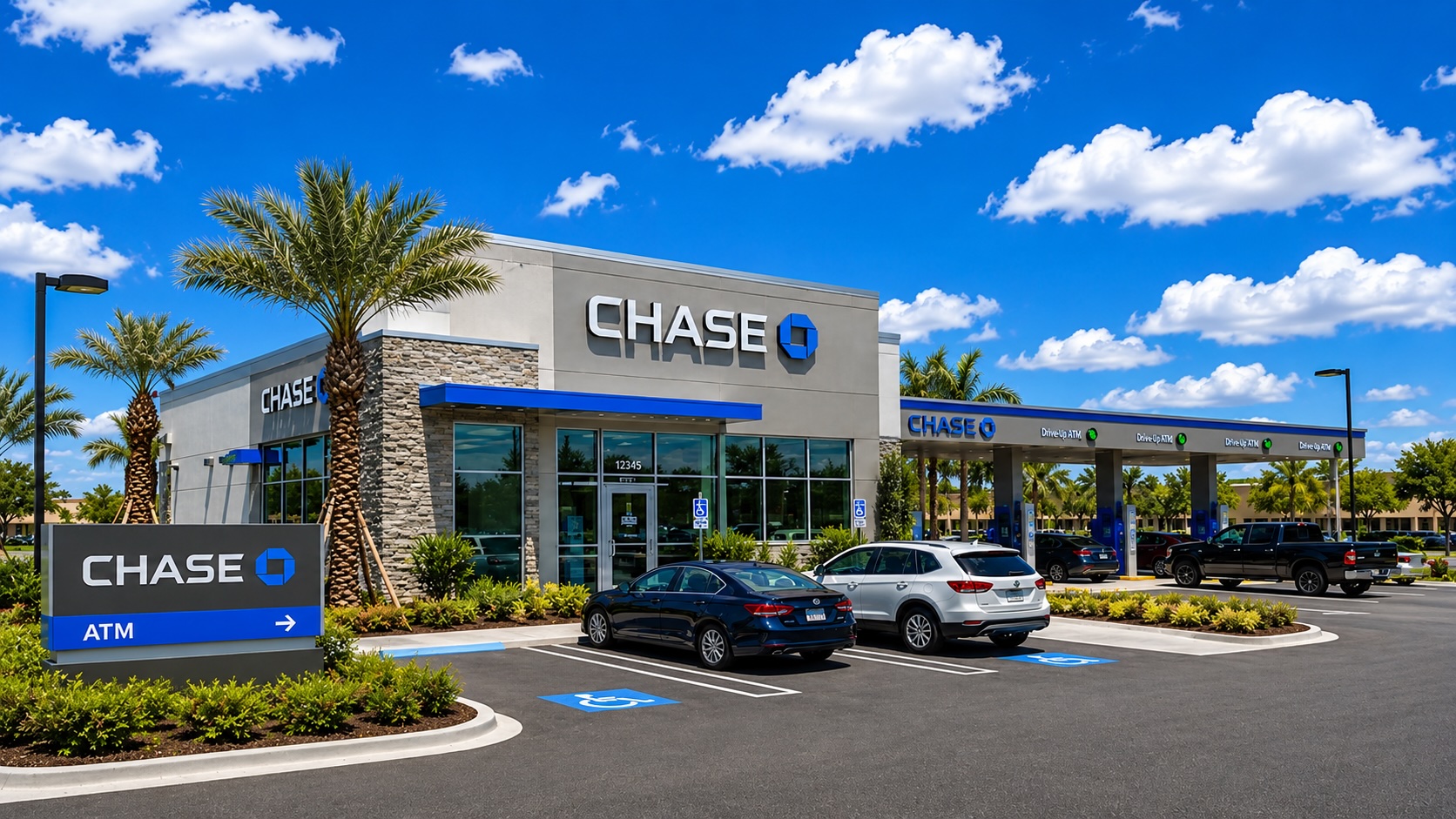
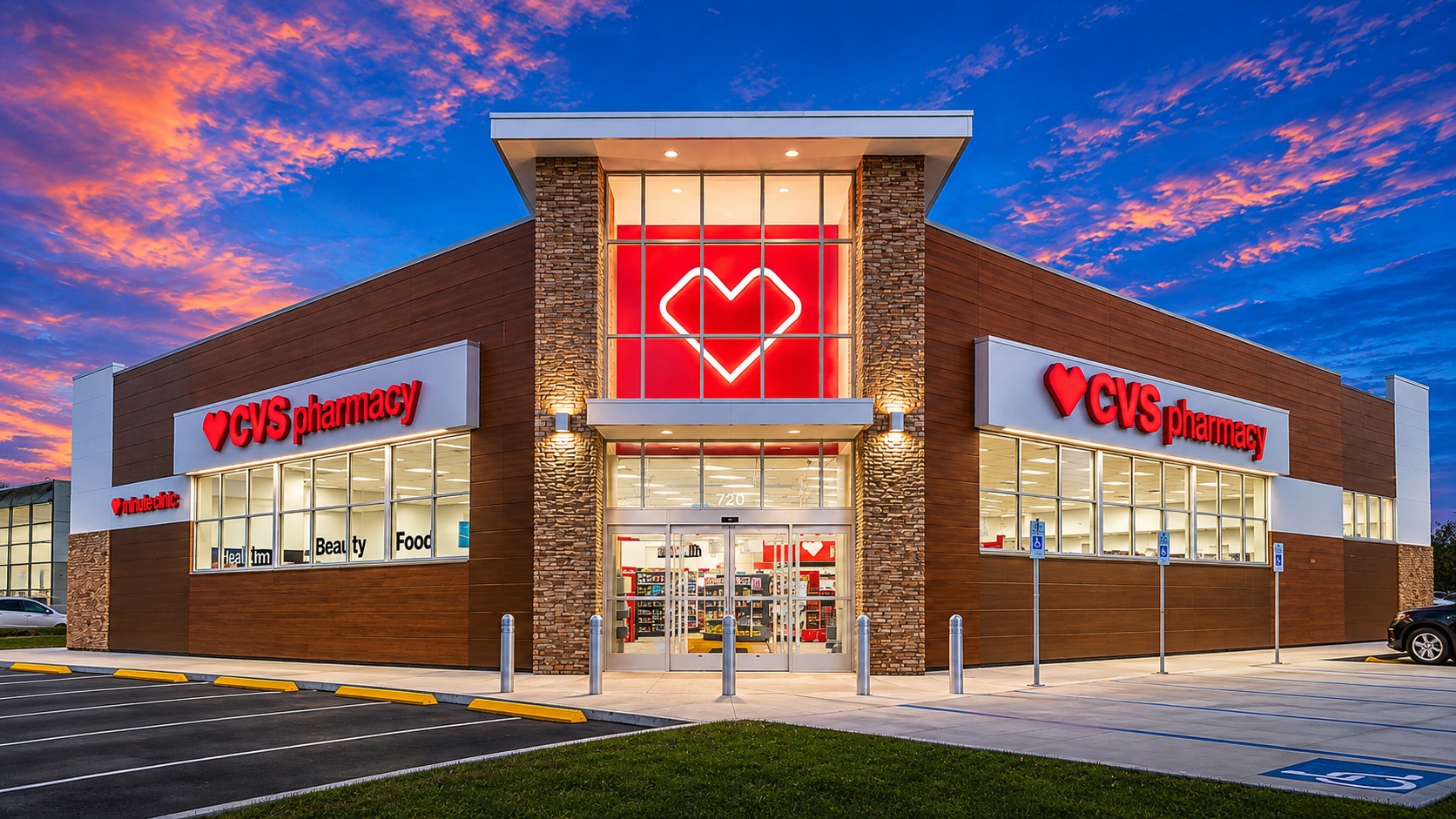
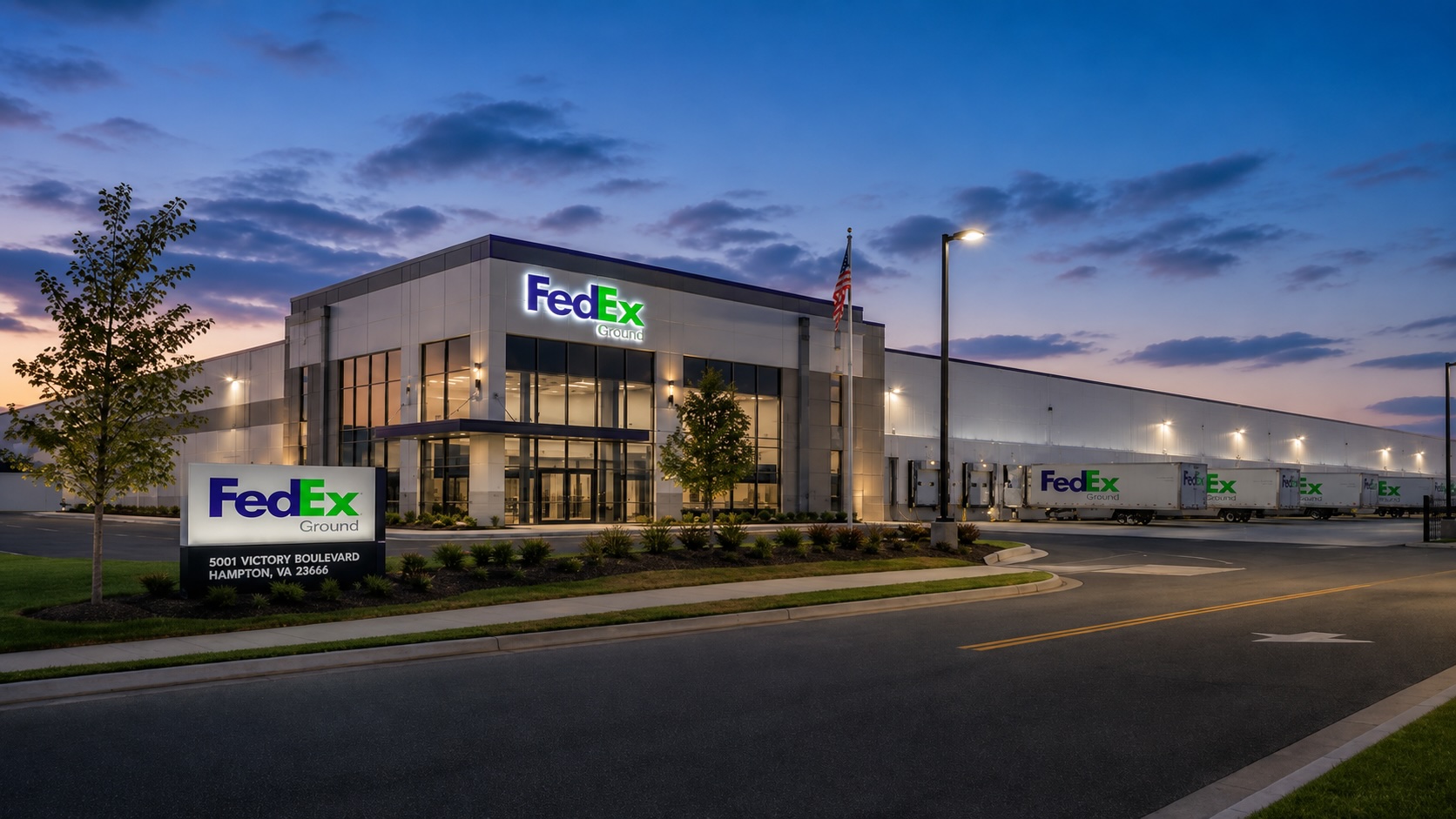
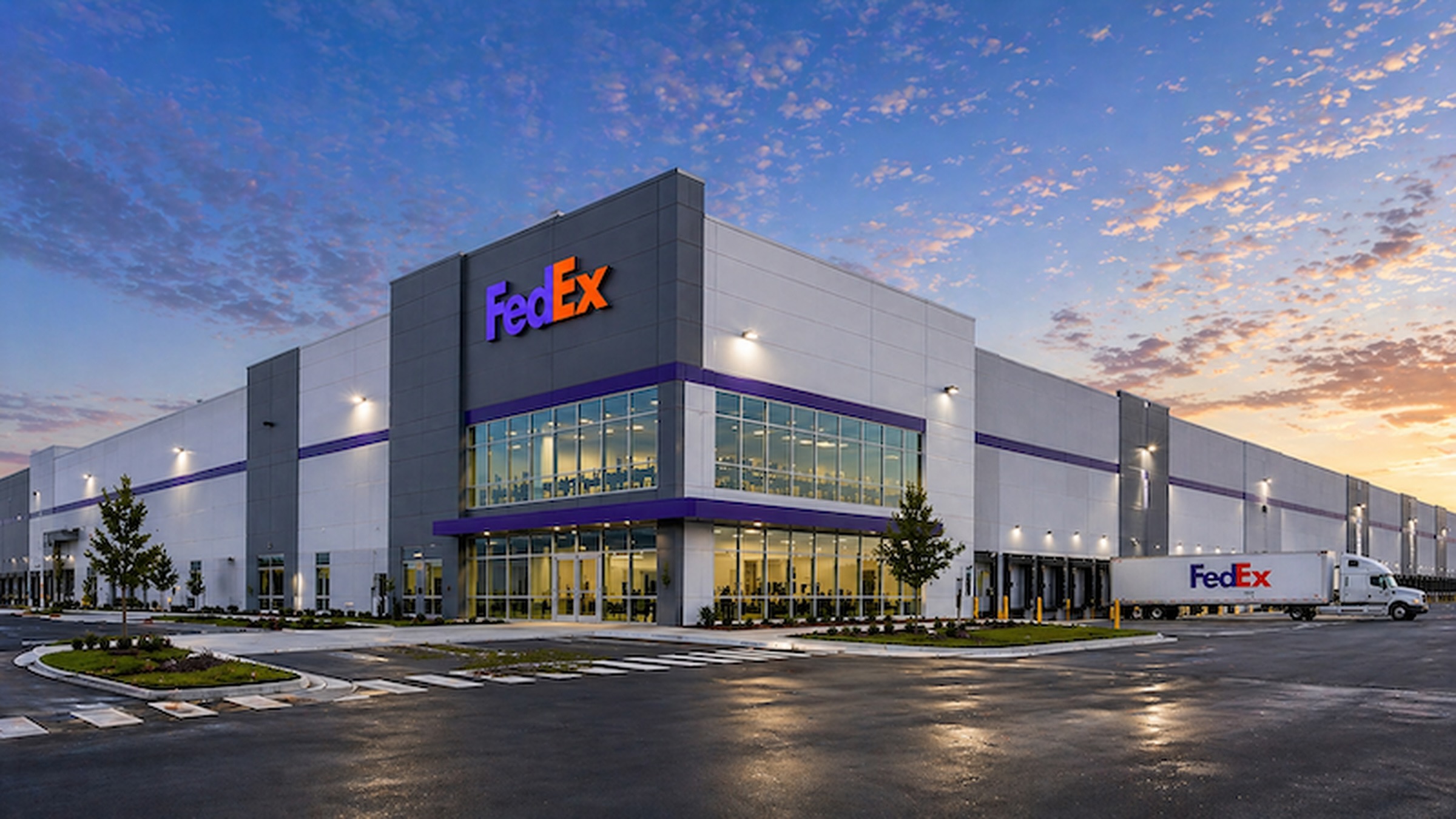
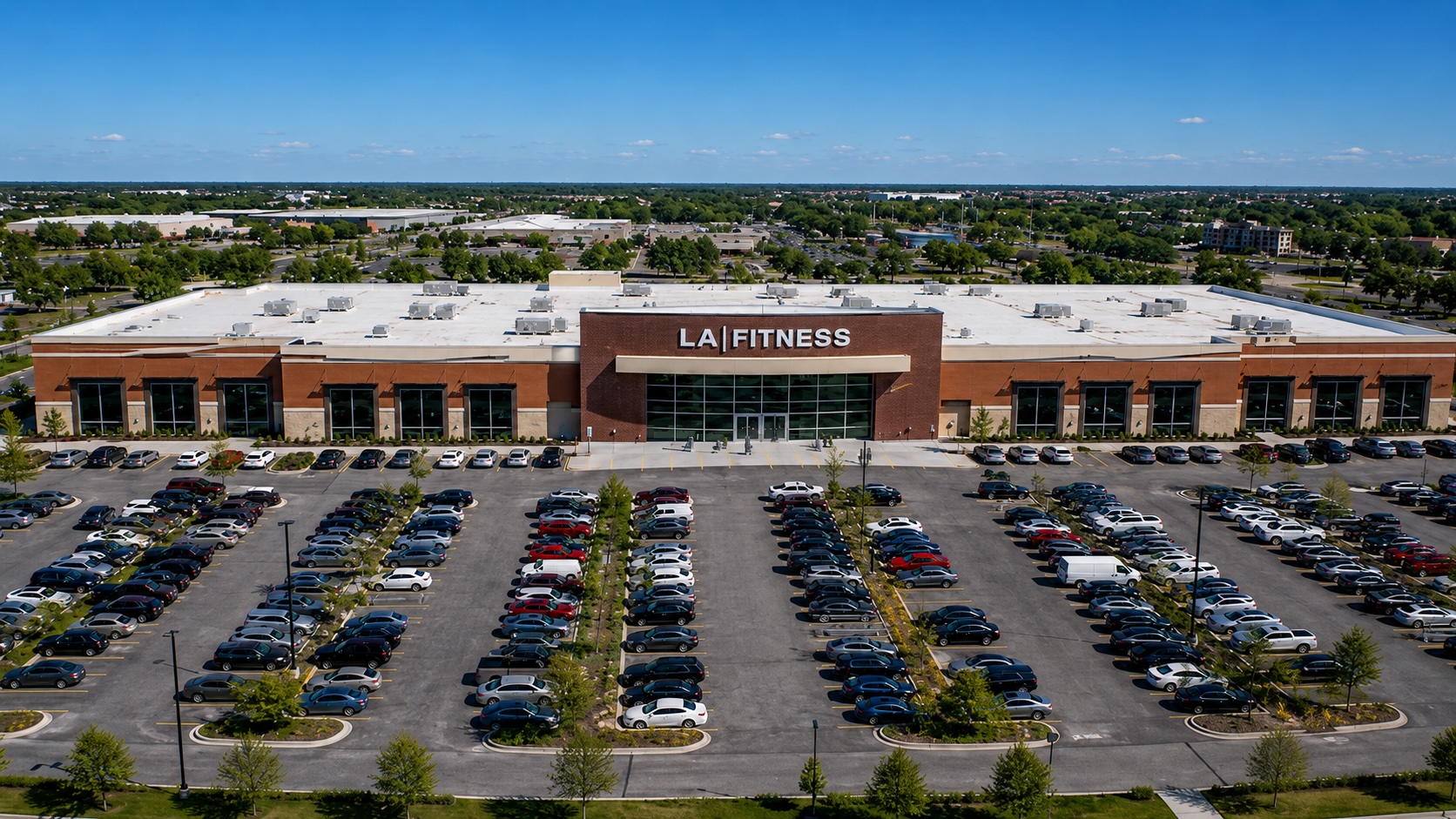

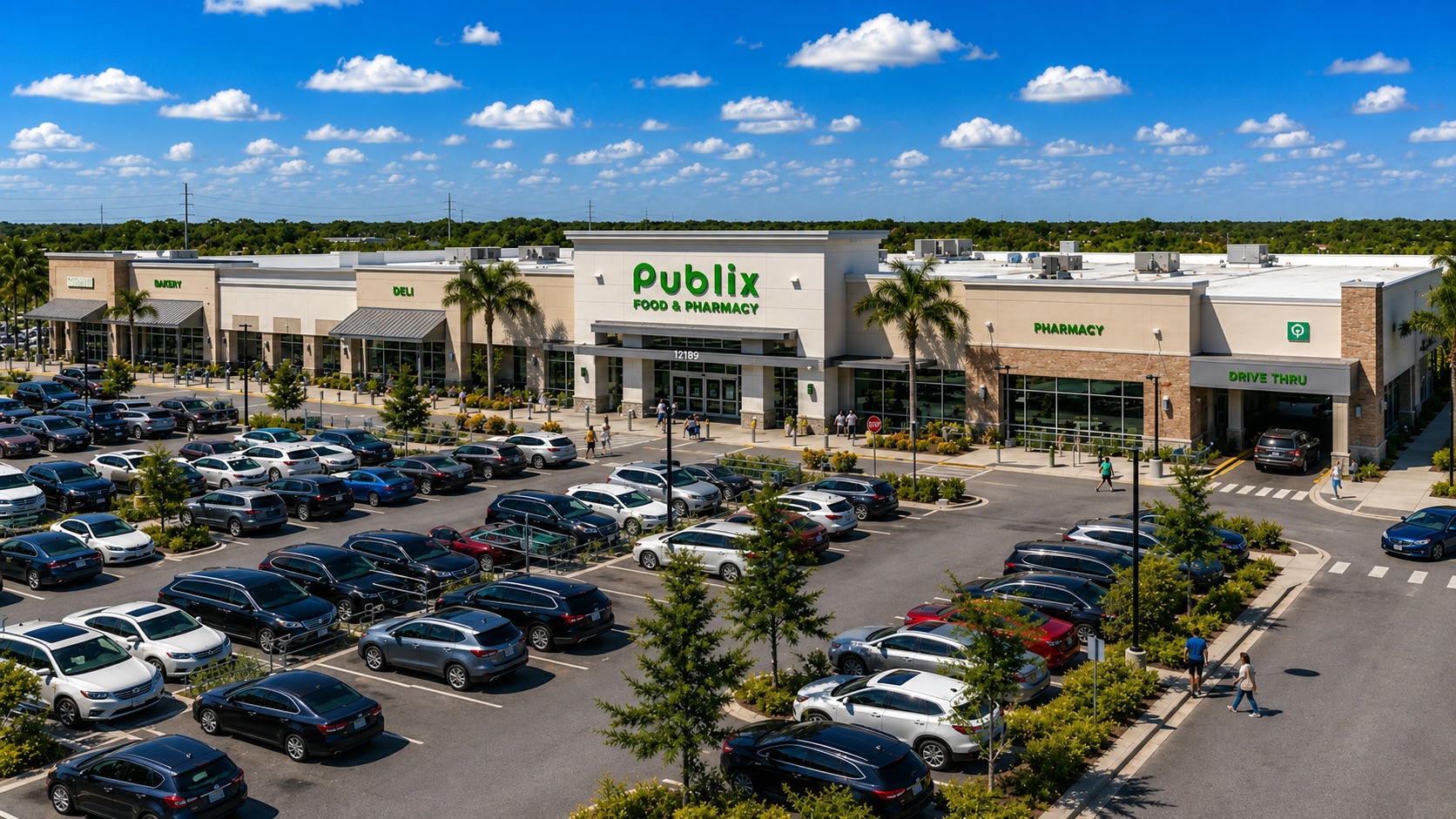


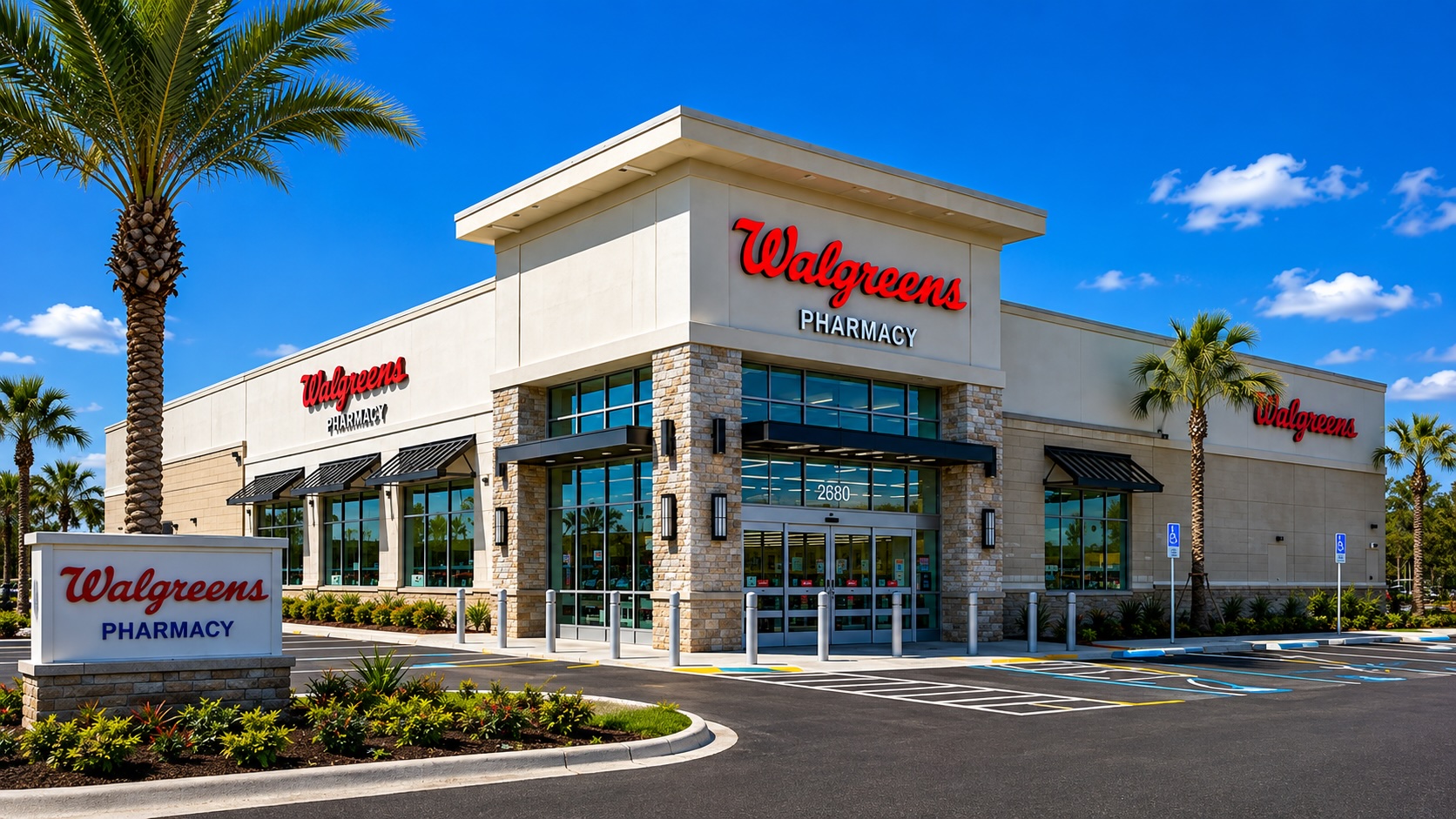
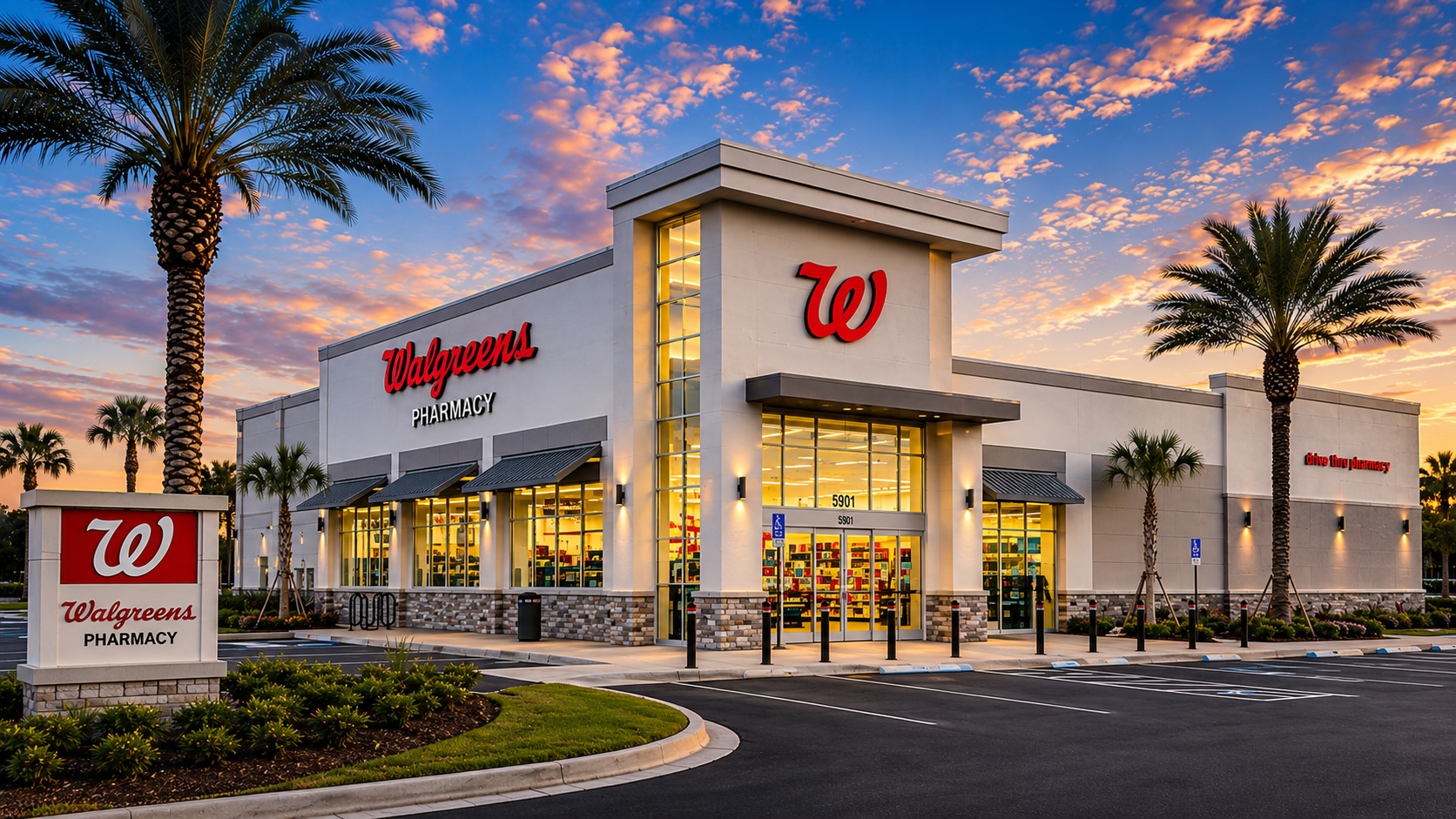
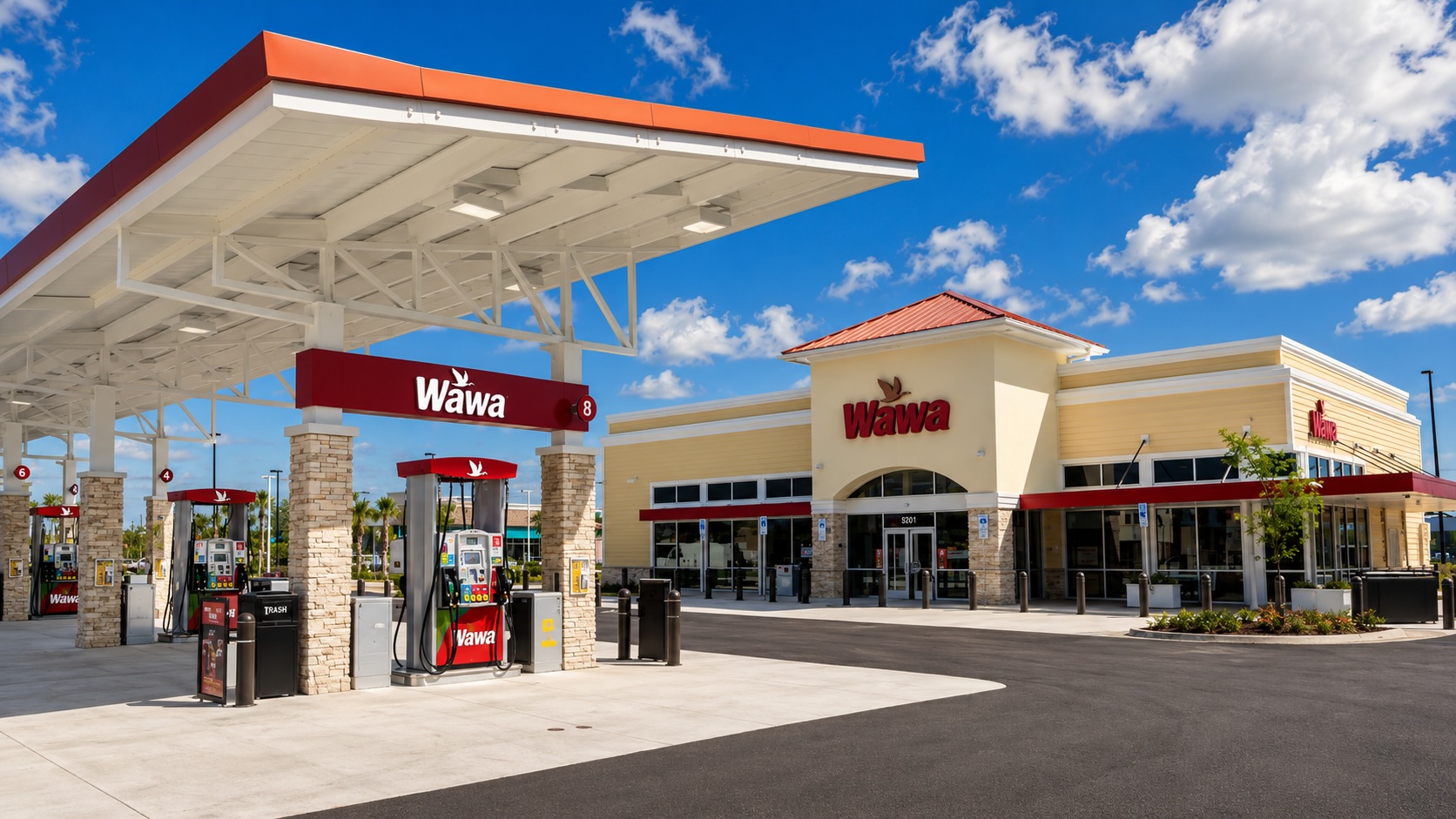
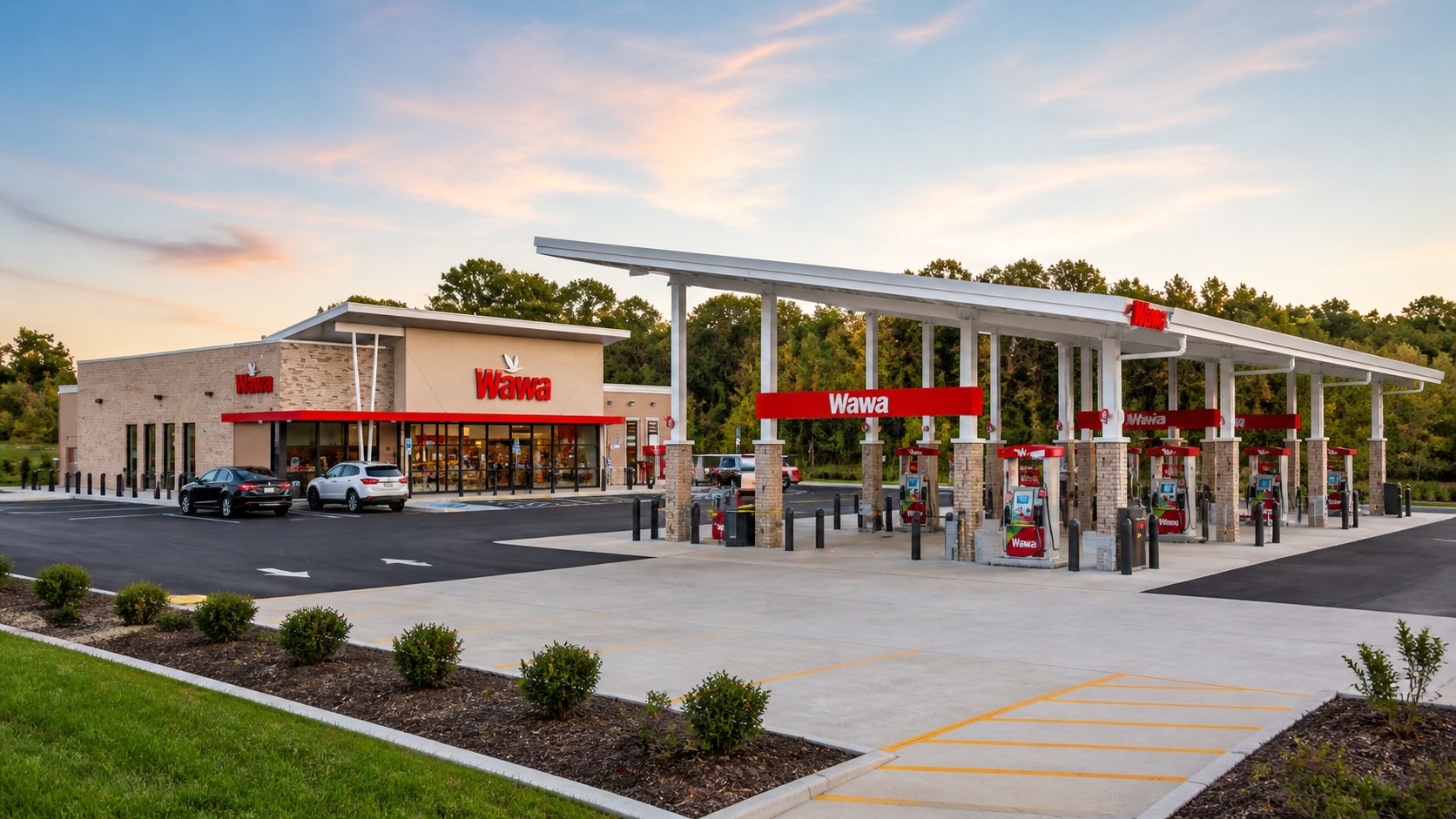
NNN and single-tenant net lease properties offer long-term contractual income with limited landlord responsibilities — a defensive, passive ownership profile backed by tangible real estate.
NNN and Single Tenant Net Lease (STNL) properties are often viewed as "bond-like" real estate investments because they can offer long-term contractual income with limited — or sometimes no — landlord responsibilities. In many cases, the tenant is responsible for taxes, insurance, maintenance, and repairs, which helps simplify ownership. For high-net-worth investors and 1031 exchange buyers, net lease real estate can be an efficient way to pursue income durability, tax deferral, wealth preservation, and passive ownership — while still holding a tangible real estate asset with long-term strategic value.
Not every “net lease” is the same. The difference comes down to which costs the tenant covers and which stay with you as the landlord, and that directly affects what a property is worth.
| Lease Type | Property Taxes | Insurance | Maintenance | Roof & Structure | Parking Lot | What You Own |
|---|---|---|---|---|---|---|
| Absolute NNN | Tenant | Tenant | Tenant | Tenant | Tenant | Land + building |
| NNN | Tenant | Tenant | Tenant | Varies by lease | Tenant | Land + building |
| NN (Double Net) | Tenant | Tenant | Usually tenant | Landlord | Often landlord | Land + building |
| Ground Lease | Tenant | Tenant | Tenant | Tenant | Tenant | Land only; the building usually reverts to you at lease end |
Every lease is different. The labels are shorthand, so always read the lease to confirm exactly who pays for what, especially roof, structure, parking lot and HVAC replacement.
Many of our buyers are trading out of apartments or other hands-on real estate, or moving money from the stock and bond markets. Here’s how a single-tenant NNN property stacks up.
| NNN Property | Apartments | Bonds / Treasuries | REITs | DST | |
|---|---|---|---|---|---|
| Management | Minimal; the tenant runs the property | Hands-on: tenants, turnover, repairs | None | None | None; the sponsor manages |
| Income | Contractual rent, often with scheduled increases | Can grow, but expenses and vacancy vary | Fixed interest | Dividends that move with the market | Distributions that depend on property performance |
| Tax Benefits | 1031 exchange eligible; depreciation on fee-simple deals | 1031 exchange eligible; depreciation | No depreciation; interest taxed as income | No 1031 exchange; dividends generally taxable | 1031 exchange eligible; depreciation passed through |
| Real Asset | You own the real estate directly | You own the real estate directly | No | Indirect shares only | Fractional interest in a trust |
| Liquidity | Sold like real estate, usually weeks to months | Sold like real estate | Highly liquid | Trades daily; prices can swing | Generally held until the sponsor sells |
Considering a DST for your 1031 exchange? See how DSTs compare with owning NNN directly →
NNN properties are priced by cap rate: the property’s annual net rent divided by its price. A $2,000,000 property at a 5.5% cap rate produces about $110,000 a year in rent. The same rent at a 6.0% cap rate would price the property at about $1,833,000.
Lower cap rates mean higher prices and are usually a sign the market sees the deal as safer. Higher cap rates pay more income per dollar but usually come with more risk.
See typical 2026 ranges for 65 tenants in our NNN Cap Rates by Tenant table.
Sell investment real estate and roll the proceeds into a NNN property to defer capital gains taxes. NNN is one of the most common 1031 replacement choices because it’s passive. Learn how a 1031 exchange works →
When you buy fee simple (land and building), the building is depreciated over 39 years, and that deduction can shelter much of your rental income.
A cost segregation study can move parking lots, lighting, signage and some fixtures into 5-, 7- and 15-year property, which may qualify for bonus depreciation.
With a ground lease you own only the land, which isn’t depreciable. In exchange you typically get a safer investment at a lower cap rate, and the building usually reverts to you at lease end.
General information only, not tax advice. Talk with your CPA about your situation.
No investment is risk-free. Good NNN buyers price these risks in from the start, and helping you do that is our job.
Your income depends on one tenant. Know who signs and guarantees the lease, and how strong that company or operator really is.
As the remaining term gets shorter, value drops and renewal risk rises. Know your exit plan before the lease gets inside 5 to 7 years.
Specialized buildings, such as banks, quick-lube shops or rural boxes, can be hard to re-lease. Rent per square foot at or below market is your protection.
Some leases keep rent flat for 10 to 15 years. Leases with scheduled increases hold their value better over time.
When rates rise, cap rates generally follow, which can lower resale values, even though your rent doesn’t change.
On NN leases you may owe roof, structure, parking lot or HVAC costs. Budget for them before comparing cap rates.
Investors who need a replacement property inside the 45-day and 180-day deadlines and want something passive.
Owners of apartments or other hands-on property who want to keep real estate income without tenants, toilets and turnover.
Buyers who want predictable monthly income backed by a real asset and a long-term lease.
Long-term holders focused on preserving capital and passing down stable, easy-to-manage assets.
Funds, REITs and other institutional buyers adding investment-grade, long-term net lease income to a larger portfolio.
Owners who sold a company and want to put the proceeds into steady, hands-off income backed by real estate.
Budget, target cap rate, location, tenant preferences and any 1031 deadlines.
Listed and off-market properties nationwide that match your goals.
Tenant and guarantor strength, lease terms, rent per square foot and the real estate.
Price and terms through the letter of intent and purchase contract.
Lease and estoppel review, title, survey, environmental and inspections, alongside your attorney and lender.
We stay with you through closing. Our buyer representation is free to you.
In a NNN lease, the tenant pays rent plus the property's three main operating costs: property taxes, insurance and maintenance. The landlord collects rent with limited management responsibilities. Exactly which costs the tenant covers, such as roof and structure, depends on the lease.
With an absolute NNN lease, the tenant pays every cost, including roof, structure and even rebuilding after a casualty, leaving the landlord with essentially no obligations. A standard NNN lease may leave some items, often the roof and structure, with the landlord.
In a NN lease, the tenant typically pays property taxes and insurance, while the landlord keeps responsibility for the roof and structure and sometimes the parking lot or HVAC replacement. NN properties usually trade at higher cap rates to compensate for those costs.
They are often considered one of the more stable forms of real estate because the income comes from a long-term lease, often with a national tenant. The main risks are tenant credit, lease rollover, re-leasing the building and interest rates, so underwriting the tenant, the lease and the real estate matters.
It depends on the tenant and the lease. In 2026, top-credit ground leases such as McDonald's can trade below 4%, while many national retail and restaurant tenants trade around 5% to 7%. Our NNN Cap Rates by Tenant table shows typical ranges for 65 tenants.
Yes. NNN properties are one of the most common 1031 exchange replacement properties because they're passive and available at many price points. You must identify replacement property within 45 days of selling and close within 180 days.
If you buy it fee simple, meaning land and building, yes. The building is depreciated over 39 years, and a cost segregation study can accelerate part of it. With a ground lease you own only the land, which isn't depreciable. Confirm with your CPA.
Yes. Many buyers use loans, and lenders generally offer better terms on investment-grade tenants with long remaining lease terms. Some 1031 buyers need debt to replace the mortgage on the property they sold.
With Solid Investments FL, our buyer representation is free to you. We're typically compensated through the transaction, so you get an experienced NNN advisor on your side at no direct cost.
Speak directly with a net lease specialist. Our service is completely free to the buyer.
📞 954-296-6955 | 11015 Gatewood Dr Suite 102, Lakewood Ranch, FL 34211